Kenya’s counterfeit alcohol problem has crossed a threshold that public health advocates now describe as a full-blown crisis.
According to industry estimates, illicit drinks account for roughly 60 percent of all alcohol consumed in the country — meaning the majority of Kenyan drinkers are unknowingly, or knowingly, consuming unregulated and potentially lethal products.
The alarm was formally sounded by the Alcoholic Beverages Association of Kenya (ABAK), the umbrella body for the country’s leading manufacturers, which this week urged the Ruto administration to act urgently to disrupt criminal trade networks and strengthen product traceability.
ABAK chairperson Kui Kinyanjui framed it as a matter of consumer trust, arguing that protecting Kenyans requires enforcement, disrupted supply chains and accountability for those profiting from the trade.
The association also pointed to a surge in complaints of illness linked to alcohol consumption, describing the scale as unprecedented.
Much of the pressure has landed on the Kenya Bureau of Standards (KEBS), the agency responsible for verifying product quality and safety.
Critics point to a stark gap between the scale of the problem and the agency’s testing capacity: in the 2024/25 financial year, KEBS reports sampling and testing just 69 potable spirit products, all of which were found compliant — a fraction of the thousands of brands actually in circulation.
That gap is compounded by what consumer advocates call a regulatory blind spot around “second-generation” alcoholic drinks, many of which fall outside mandatory KEBS testing altogether and can carry falsified ethanol content, forged excise stamps and fabricated batch numbers with little pre-market scrutiny.
The economic toll is substantial. The Anti-Counterfeit Authority estimates the illegal alcohol economy costs Kenya Sh71 billion annually, while the Kenya Revenue Authority puts lost potential tax revenue at around Sh80 billion a year — figures broadly consistent with a 2025 Euromonitor
International study commissioned by ABAK, which valued the shadow alcohol market at roughly Sh203 billion and estimated fiscal losses at about Sh120 billion.
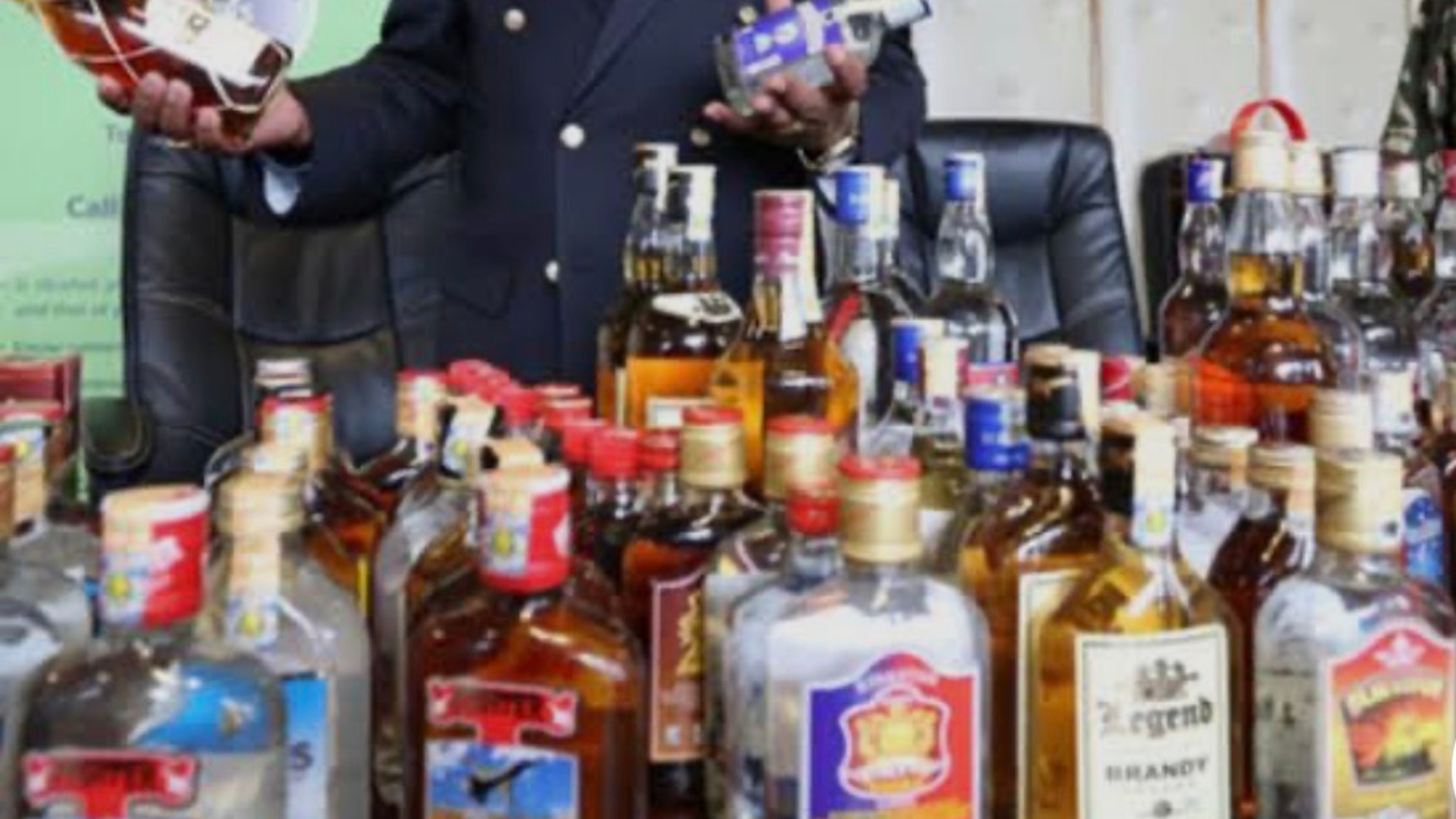
Enforcement has intensified, if unevenly. Since a nationwide crackdown launched in December 2025, authorities have seized more than 2.8 million litres of illicit alcohol and arrested over 900 suspects. In
Nairobi alone, seizures of illicit alcohol, counterfeit bottles and fake excise stamps totalled Sh790 million in the 2025/26 financial year, while Rift Valley seizures topped 870,000 litres.
Yet ABAK notes that illegal products continue to dominate significant portions of the market despite the existing legal framework — evidence, advocates argue, that seizures alone are not denting the underlying trade.
The crisis has also acquired a cross-border dimension. In August 2026, Rwanda briefly suspended imports of over 50 alcoholic products, including five Kenyan brands, pending safety checks — though KEBS later confirmed the brands had passed inspection.
Meanwhile, following a UK travel advisory over methanol poisoning risks in Kenya, KEBS moved to reassure the public that all methanol in the country is denatured to make it undrinkable.
For now, KEBS has stayed largely silent on specific questions about testing failure rates, prosecutions and its response plan — a silence that, for an agency at the centre of a public health crisis, is unlikely to satisfy an increasingly alarmed public.