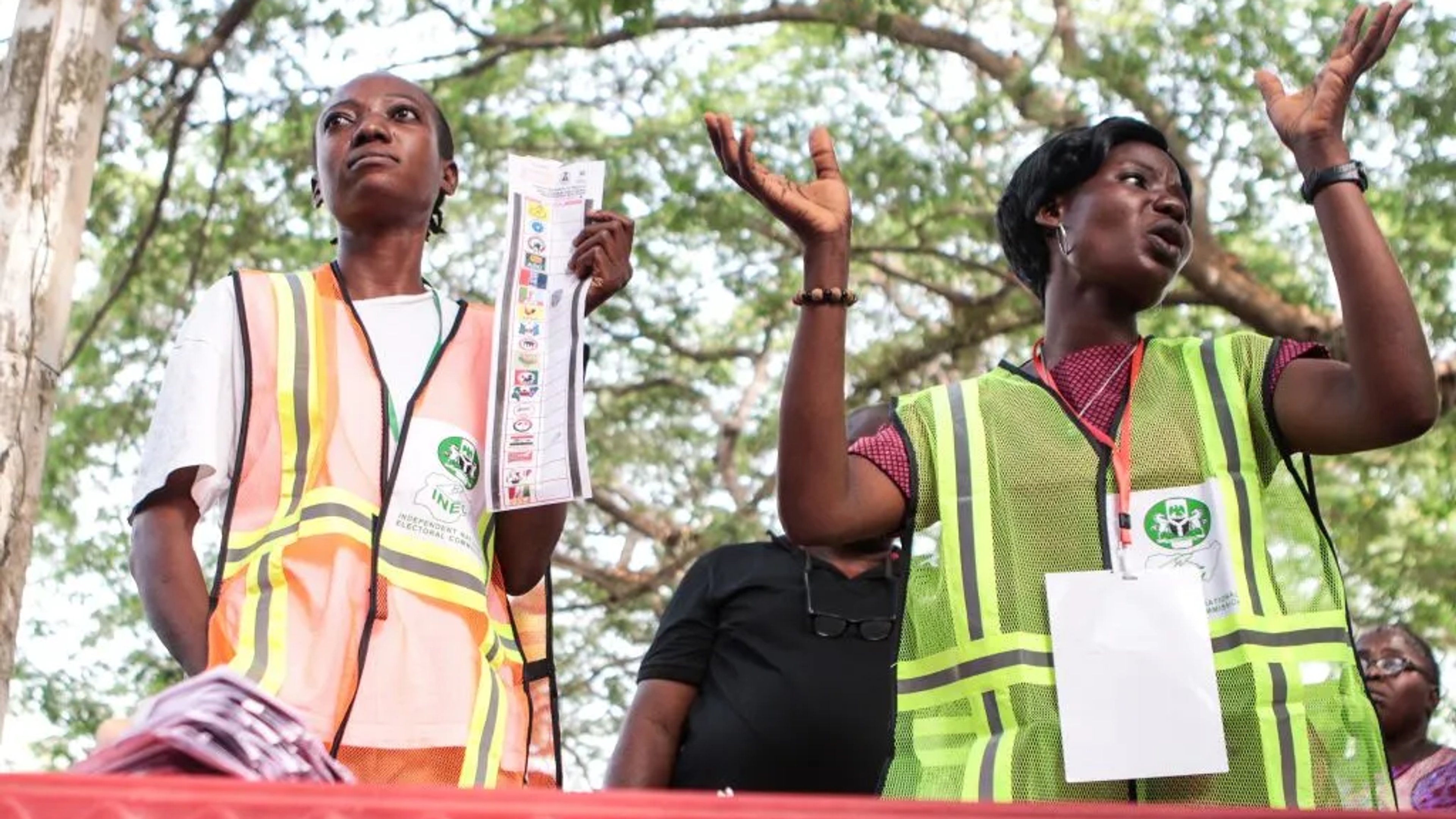
When Nigeria’s Osun state held its governorship election on August 16, something quietly historic happened. Civil-rights groups and individuals deployed several digital platforms, many relying on AI, to track and read results as Nigeria’s electoral commission uploaded them.
The models bypassed a critical weak point in the process — the manual collation stage where counts can be manipulated.
A coordinated ecosystem of civic platforms correctly called the winner hours before the official declaration, using independent parallel-vote tabulation, with figures matching the commission’s final numbers with remarkable precision.
For Kenya, heading into the 2027 general election, the lesson lands squarely.
Kenya already has the muscle memory
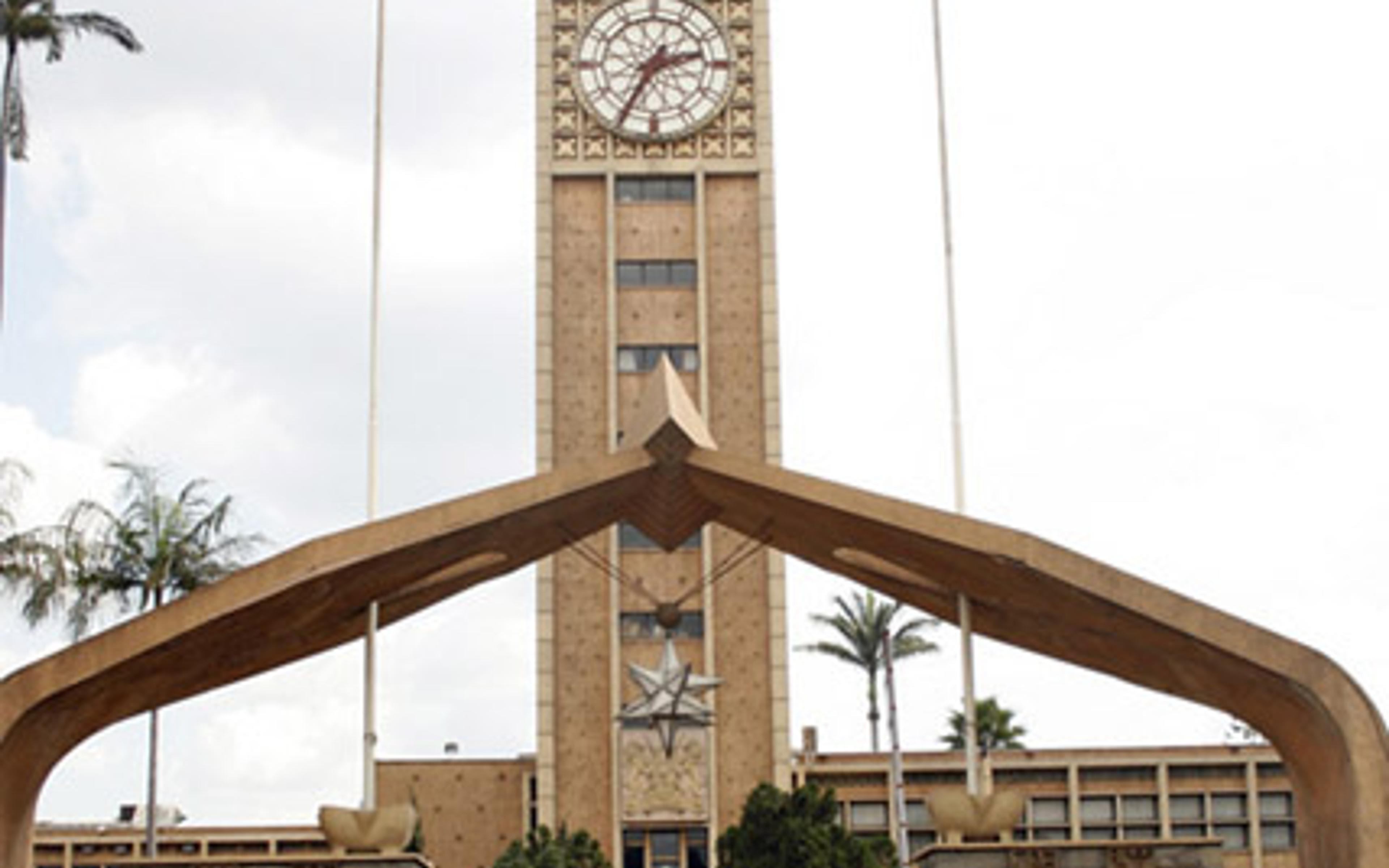
Kenya is not starting from zero. In 2022, the Elections Observation Group deployed roughly 5,000 observers across all 290 constituencies, with 1,000 specially trained PVT observers sampling polling stations nationally, and its projections corroborated IEBC’s official presidential result.IEBC has previously permitted parallel tallying centres for media and civil society, while retaining sole authority to declare the winner.
That template — human agents, sampled polling stations, statistical projection — worked. What Nigeria just demonstrated is the next iteration: replacing slow human collation with AI that reads results forms directly and flags anomalies in near real-time.
What AI adds that 2022-style PVT didn’t
The Nigerian model closes a specific gap: the lag between polling-station results and national tallying, where disputes over Forms 34A/34B have historically fuelled Kenya’s post-election litigation.
AI-driven OCR can scan uploaded results forms the moment they land on a portal, cross-check figures against a statistically representative sample, and surface discrepancies before they harden into contested claims at Bomas.
Kenyan election-tech observers already expect this shift — anticipating that 2027 will bring AI-powered anomaly detection and OCR tools to automatically read Form 34A images, alongside blockchain audit trails for verification.
The political appetite is there — and combustible
Opposition figures like Kalonzo Musyoka have already vowed to build an independent, tech-driven parallel tallying system for 2027, insisting agents will capture and relay polling-station results directly rather than rely solely on IEBC’s process.That signals real demand — but partisan-run AI tallies risk becoming weapons rather than checks. The Nigerian model’s credibility came from civic and non-partisan actors, not political parties.
The stakes
Kenya’s 2022 result still faced a Supreme Court challenge despite convergence between IEBC and independent PVT. Nigeria’s Osun experiment suggests the fix isn’t just more observers — it’s faster, technically credible verification that removes the space for dispute before it metastasizes. If Kenyan civil society, election observers and faith-based coalitions can replicate that AI-assisted model by 2027, they won’t just watch the count. They’ll help settle it in real time.