
Kenya’s long-distance haulage sector is bracing for fresh friction with regulators after the Long Distance Drivers and Conductors Association (LoDDCA) protested the alleged removal of the Class “CD” endorsement from renewed driving licences, warning the move could expose truck drivers to arrests, detention and loss of income.
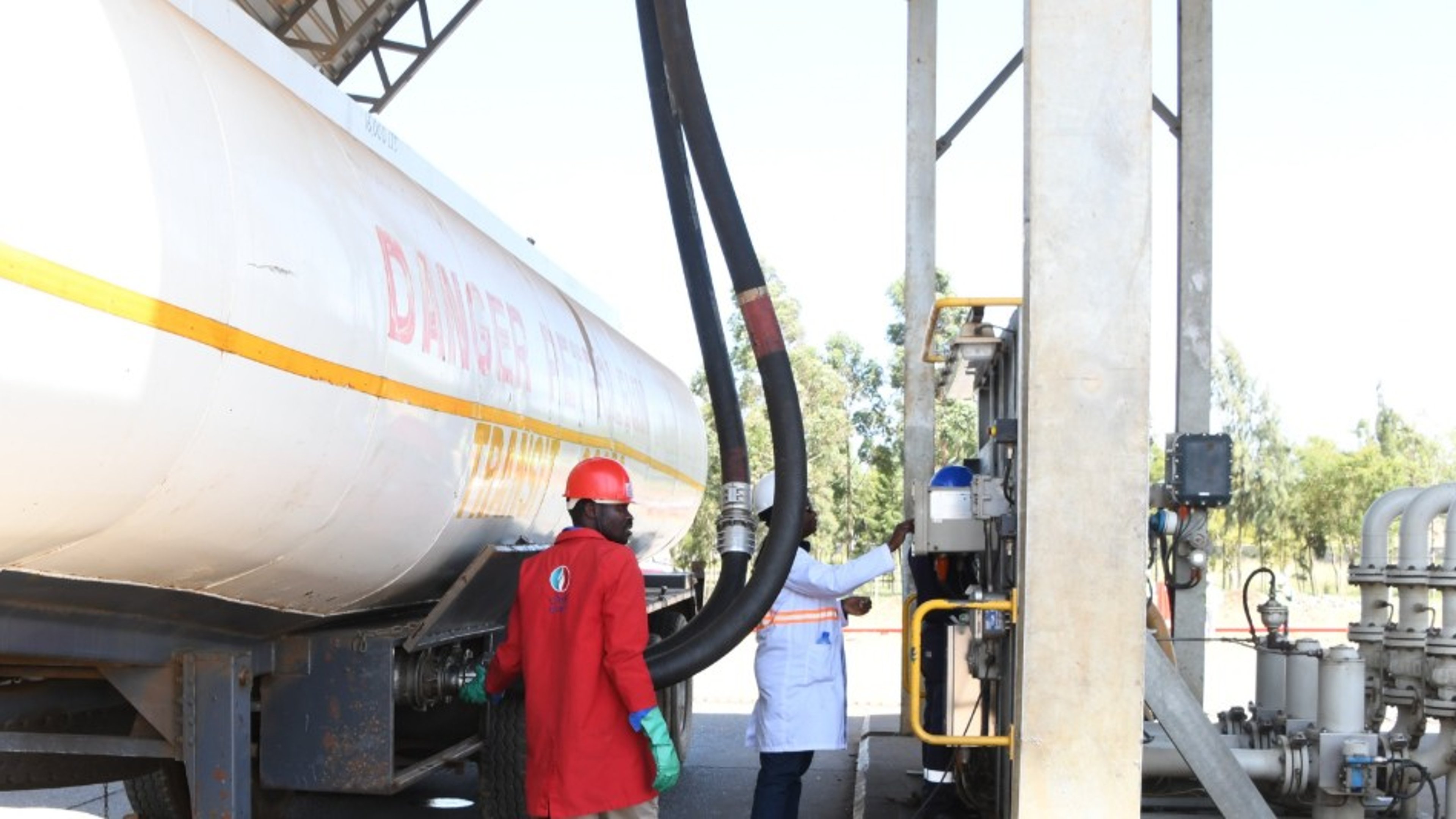
The Class CD endorsement is the credential that lets drivers operate heavy commercial vehicles such as trucks and trailers, and it carries particular weight for those hauling sensitive cargo like petroleum products.
In a statement issued Friday, LoDDCA said the problem is hitting drivers who previously held the endorsement and are still actively driving heavy commercial vehicles, only to find it missing when their licences come up for renewal. The association says this has left affected drivers — including some who hold valid hazardous-cargo certifications — in legal limbo.
Cross-border exposure
LoDDCA’s central worry is enforcement. The lobby fears drivers whose renewed licences no longer display the CD endorsement could run into trouble both on Kenyan roads and at international border crossings, where transport authorities routinely inspect licence categories.
The association was blunt about where responsibility lies, saying drivers should not bear the cost of an unexplained bureaucratic shift. It is now pushing for urgent talks with the National Transport and Safety Authority (NTSA) and the Energy and Petroleum Regulatory Authority (EPRA) to pin down the legal and operational fallout of the change, arguing the two agencies’ mandates overlap directly on hazardous-cargo transport but appear to have moved out of step with each other.
Practical advice to drivers
In the interim, LoDDCA has told members renewing their licences to scrutinise the new documents for the CD endorsement and to keep copies or photographs of earlier licences as proof they once held it.
Petroleum tanker drivers specifically have been urged to keep their EPRA Petroleum Road Tanker Driver certification current and on hand at all times.
More significantly, the association signalled it is prepared to escalate. It warned that if the matter is not resolved, it could pursue lawful collective action — including calling on hazardous-cargo drivers to down tools, a step that would disrupt petroleum and other bulk cargo movement across a region that leans heavily on Kenya as a transit hub.
Not the first clash with NTSA
This is not LoDDCA’s first confrontation with the regulator over licensing rules. The association previously threatened strike action in 2023 over an NTSA directive requiring drivers across multiple heavy-vehicle classes, including CD, to undergo mandatory re-testing every three years, which it argued was financially punitive for low-paid drivers.
That history suggests a pattern: NTSA tightening or restructuring licence categories with limited consultation, followed by pushback from a workforce that says it is absorbing the cost of policy changes it had no hand in designing.
What to watch
The dispute now hinges on whether NTSA — under Director-General Nashon Kondiwa — clarifies whether the CD category has genuinely been phased out, merged into a new classification, or dropped through administrative error.
Given Kenya’s stated seven-tier licence classification system (A through G), a technical reclassification rather than an outright removal is plausible, but LoDDCA’s complaint suggests the transition, if intentional, was not properly communicated.
Until NTSA and EPRA respond publicly, thousands of drivers renewing licences in the coming weeks face genuine uncertainty over their legal standing to keep working — with the petroleum supply chain the most immediate pressure point.