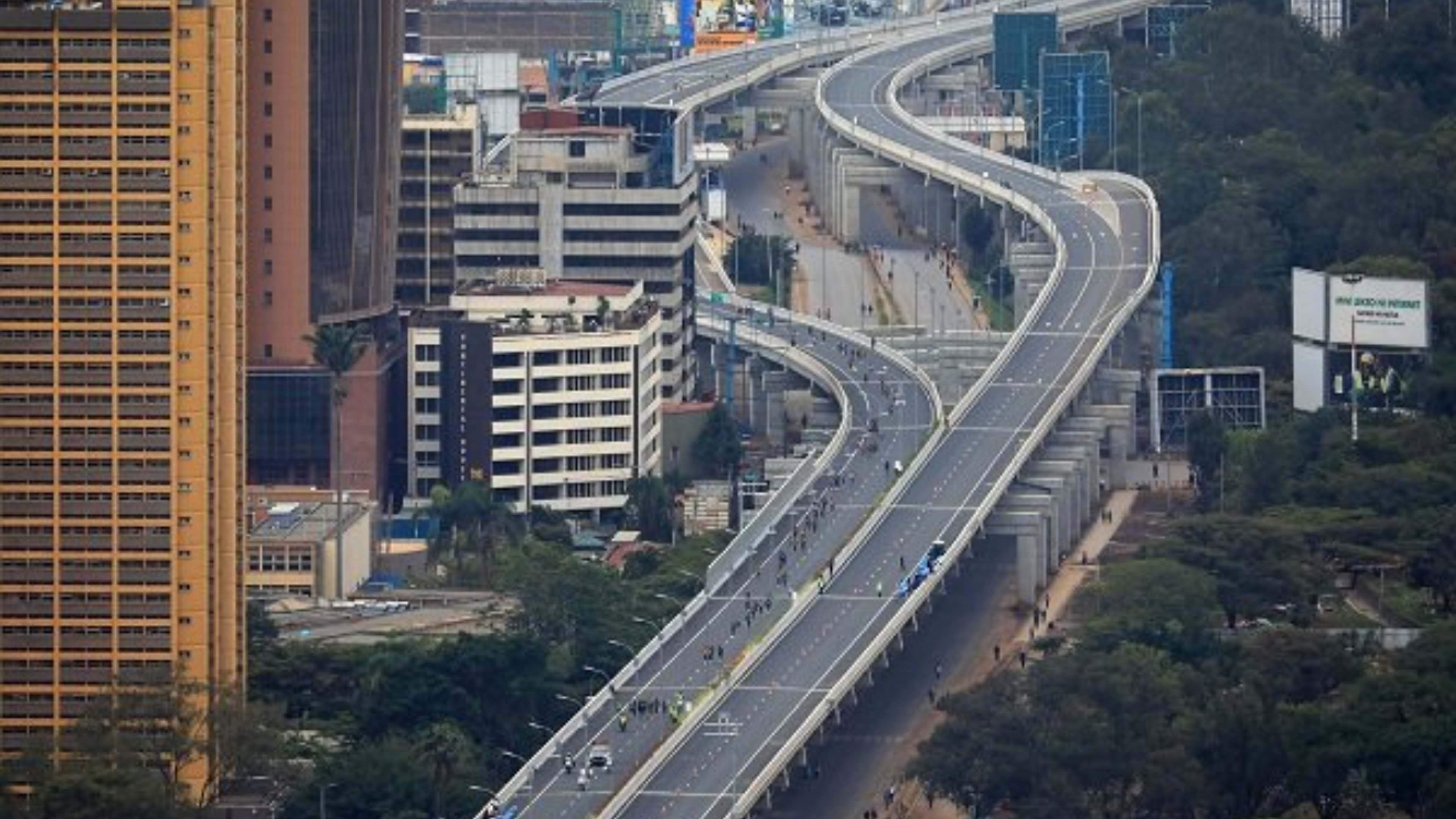
By April last year, pending bills owed to road contractors had swollen to Sh188 billion, forcing 580 projects to a standstill and pushing the government into an unusual financing manoeuvre: pledging future fuel-levy income to raise cash today.
CS Davis Chirchir's admission to Parliament that the biggest challenge has always been contractors abandoning projects due to a lack of payment was less a revelation than a confirmation of what auditors and contractors already knew.
The mechanics are now familiar. Treasury securitised Sh7 of the Sh25-per-litre Road Maintenance Levy, raising roughly Sh175 billion through the Kenya Roads Board, which has since disbursed over Sh132 billion to KeNHA, KeRRA and KURA.
Cabinet has since approved securitising a further Sh5 per litre to raise an additional Sh120 billion, meaning Sh12 of every Sh25 collected at the pump is now committed to debt-servicing rather than routine maintenance.
This is the analytical rub: securitisation converts a stock problem — accumulated arrears — into a flow constraint on future levy revenue, for a decade or more.
Two developments this year sharpen the risk.
First, the Auditor-General flagged an irregular Sh7.3 billion diversion from the securitised fund to compensate a French consortium after the illegal termination of the Nairobi-Nakuru-Mau Summit contract — spending outside the facility's stated purpose of clearing verified contractor bills, and a precedent that could erode confidence in the ring-fenced structure.
Second, Treasury has simultaneously proposed halving the levy allocation to the Road Annuity Fund to ease pump prices, illustrating the political tension between relief-seeking and debt commitments already pledged against the same revenue line.
The Sh68 billion 2026/27 budget provision for verified claims under Sh100 million is a sensible triage step, but it is a fraction of the Sh636.7 billion in claims the pending bills verification committee has catalogued government-wide.
For contractors who waited six to nine years for payment, the securitisation programme has restored liquidity and reopened sites.
For taxpayers and motorists, it has effectively mortgaged a decade of fuel-levy receipts to clean up a procurement and cash-management failure — raising the question of whether the underlying discipline in public infrastructure contracting has actually changed, or merely been refinanced