Kenya’s ambitious plan to build a Sh468 billion expressway connecting Nairobi to Mombasa has come to a screeching halt.
The proposed 419-kilometre, four-lane Usahihi Expressway—intended to cut travel time from ten to five hours—has been rejected by the government’s Public-Private Partnerships (PPP) Committee after failing to meet key feasibility criteria.
The verdict, issued under Section 43(11)(c) of the PPP Act 2021, found that the project’s development proposal—submitted by Everstrong Capital—lacked critical technical and economic justifications.
Although the full details of the deficiencies remain confidential, insiders say the proposal left too many questions unanswered about financial viability, implementation capacity, and long-term sustainability.
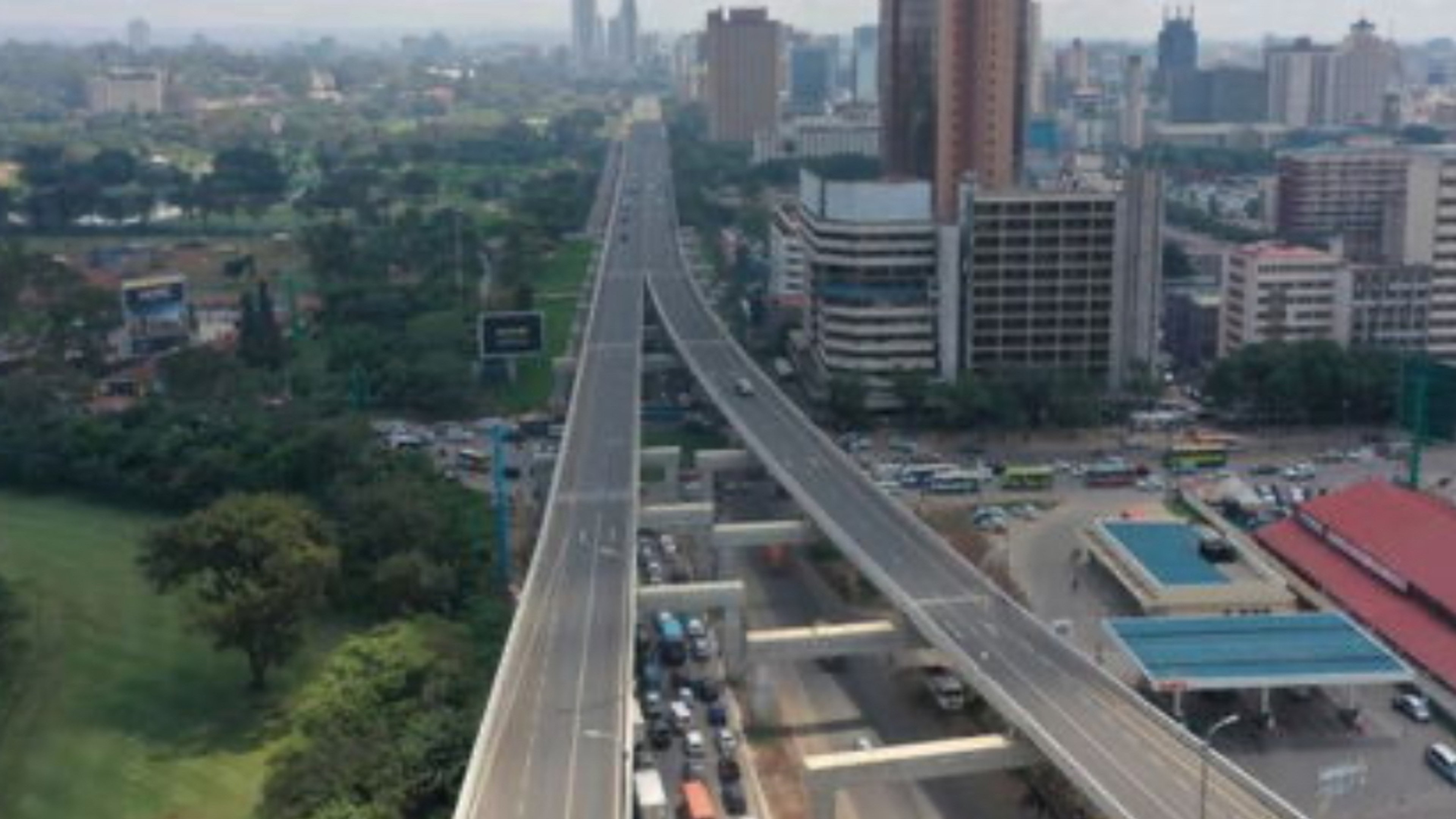
The blow is particularly heavy given the expressway’s promise to transform Kenya’s main transport corridor and decongest the aging Mombasa Road.
But the PPP Committee wasn’t buying into grand visions without data to back them up.
Instead, it took the unusual but principled step of recommending the project be shelved until a more robust and compliant plan is tabled.
Still, the project isn’t dead—just benched. The law allows for re-submission of a revised proposal that addresses the committee’s concerns.
For Everstrong and its high-profile financiers, including JP Morgan and Standard Bank, it’s back to the drawing board.
The decision is a rare but refreshing win for due diligence in Kenya’s infrastructure sector.
It signals that even big-ticket projects must pass the integrity and feasibility test before public-private shillings start flowing. Until then, the Usahihi Expressway remains an idea stuck in neutral.