
Kenya’s listed banks delivered a robust first half of 2026, with most lenders posting double-digit profit growth even as asset quality concerns linger across the sector.
Equity Group led the pack with pre-tax profit up 32% to Sh45.5 billion, driven by profit before tax rising 39% to Sh57.8 billion on total income of Sh124.9 billion, itself up 25%.
KCB followed with net profit up 14% to Sh36.9 billion, with pre-tax profit rising 20.8% to Sh49.3 billion.
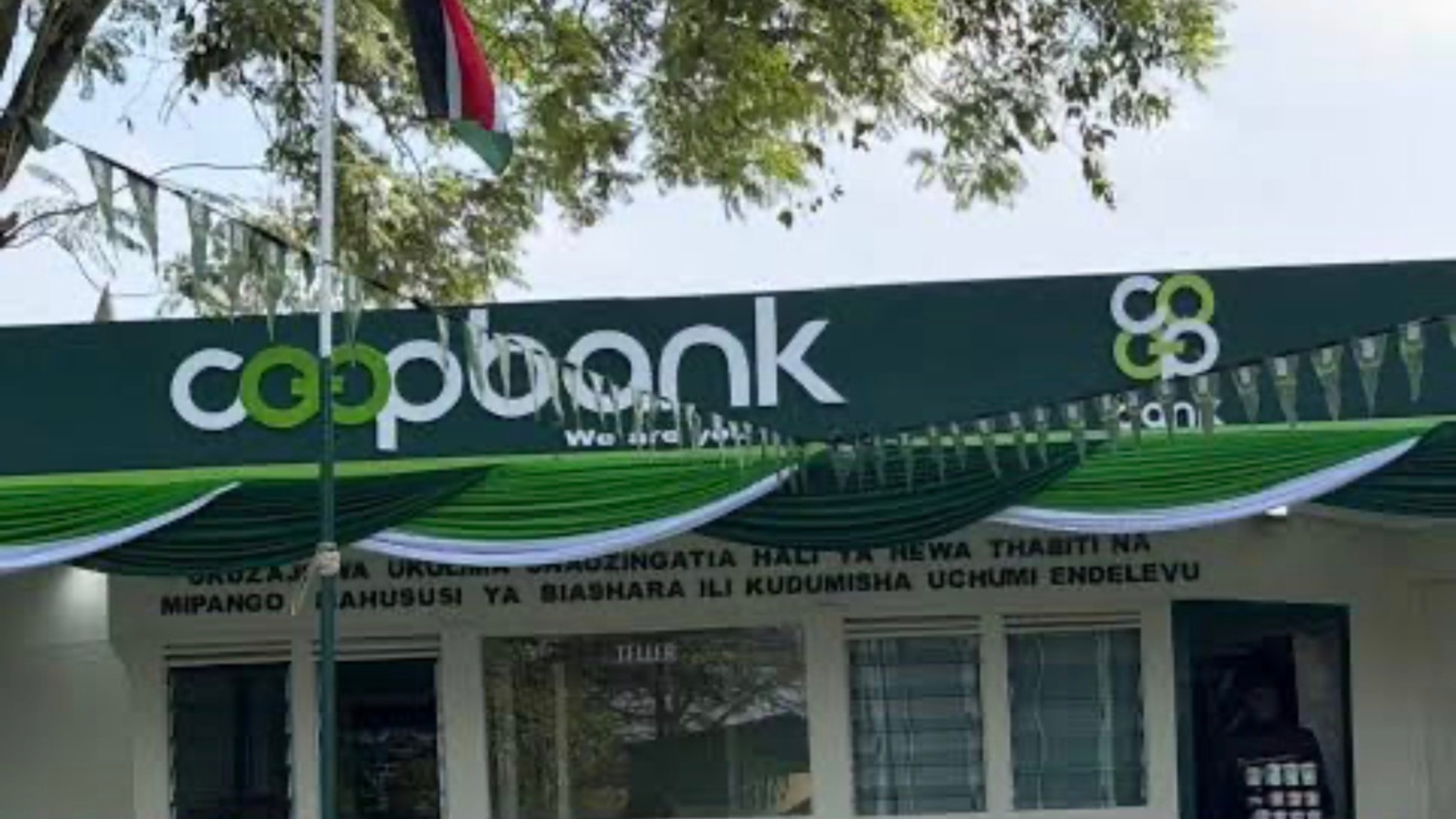
Co-op Bank (+28% to Sh18bn), Family Bank (+62% to Sh3.7bn) and DTB (+34% to Sh6.4bn) also posted strong numbers, while Absa (-9.8%) and StanChart Kenya (-17%) bucked the trend with declines.
Regional exposure is now central to the Kenyan banking story.
Equity’s subsidiaries outside Kenya now hold 51% of group deposits, 54% of loans and 52% of banking assets,spanning DRC, Uganda, Tanzania, Rwanda and South Sudan.
At KCB, regional units contributed 27.7% of pre-tax profit and 31.1% of the balance sheetacross Rwanda, DRC, Uganda, Tanzania, Burundi and South Sudan. NCBA’s East African subsidiaries were comparatively modest earners: its Tanzania, Uganda and Rwanda units posted combined profits of just Sh1.6 billion,a fraction of the group’s Sh12.4 billion total.
The scale of Tanzania’s banking sector expansion is now reshaping regional rankings.
Tanzania’s banking sector recorded net profits of roughly TZS 2.47 trillion (about $950 million) in 2025, a 14.7% increase, following a 40.9% jump in 2024— momentum tied to infrastructure spending on the SGR, ports and energy.
Market valuations have followed: CRDB’s market capitalisation rose from $762 million to $2.7 billion over twelve months, and NMB’s from $1.1 billion to $2.7 billion, placing both third and fourth regionally behind only Safaricom and MTN Uganda
Yet Kenya retains corporate depth Tanzania hasn’t matched.
Eleven of the region’s top twenty listed companies by value are Kenyan, against six Tanzanian and three Ugandan— a reflection of decades of deeper capital market development in Nairobi.
The comparison, then, isn’t simply who grew faster this half — several Kenyan banks matched or beat CRDB’s 20% pace — but who is compounding growth from a stronger base.
Tanzania’s banks are growing off a smaller balance sheet with fewer legacy NPL burdens, while Kenya’s biggest lenders are increasingly becoming pan-African institutions whose fortunes are decreasingly tied to the domestic economy alone.
Whether that diversification proves a strength or a new source of risk will likely define the next reporting cycle.