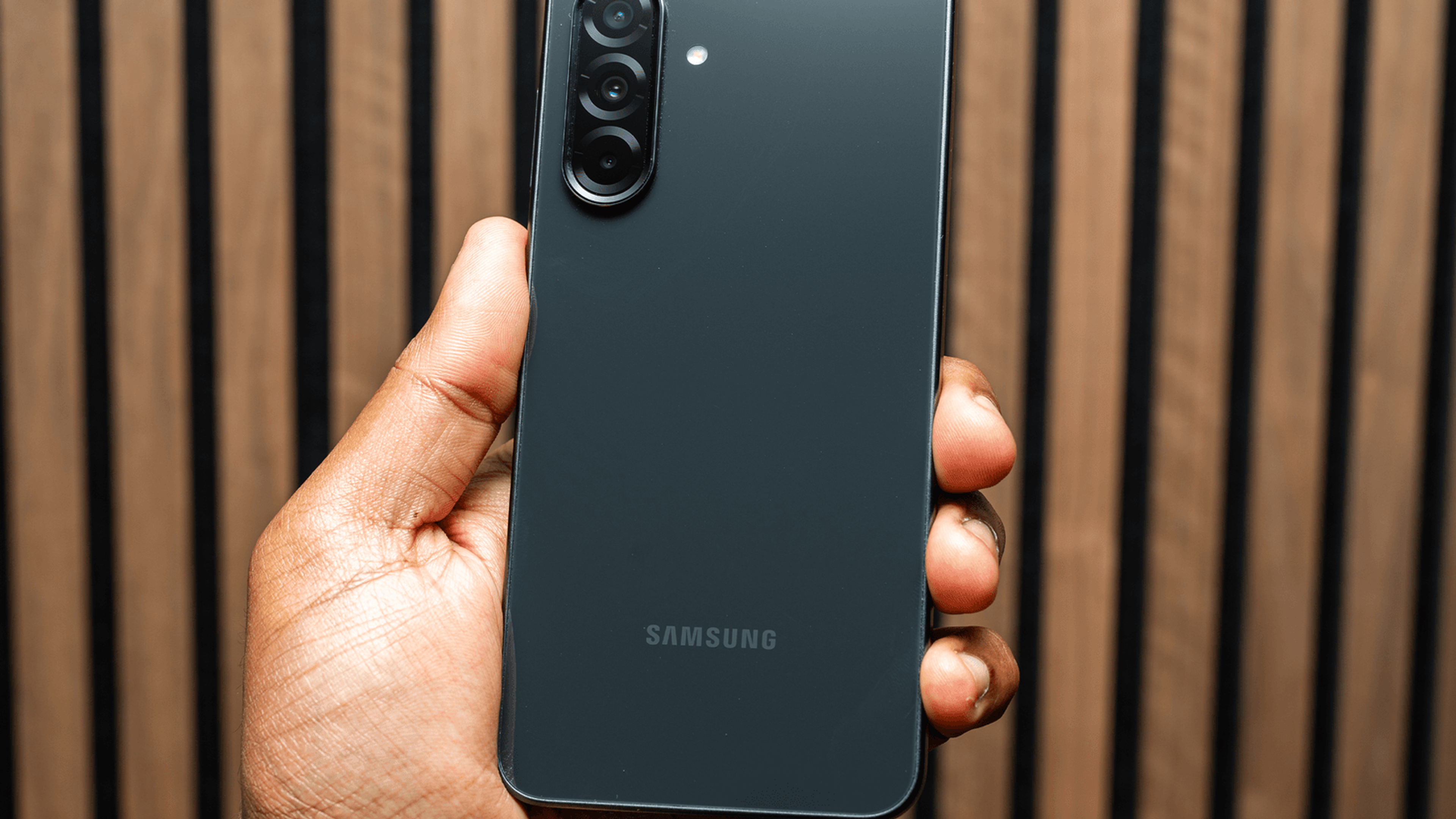
Samsung Electronics shares fell nearly 9% on Monday, wiping out gains from a record shareholder return plan announced just days earlier.
The stock traded near 257,000 won in Seoul, dragging the wider KOSPI index down by more than 1%.
The sell-off was not driven by weak earnings. It was driven by disappointment.
What Samsung Promised: On Friday, Samsung’s board unveiled shareholder returns of 90 trillion to 110 trillion won, roughly $65 billion to $80 billion, for 2026. That figure is five times the company’s previous record, set in 2020. The headline number looked historic.
Of that total, 30 trillion won (about $21 billion) will go out as cash dividends in the third quarter. A separate 15 trillion won (about $10 billion) buyback was approved for employee compensation.
The remaining 60 to 80 trillion won, roughly $49 billion, will not be allocated until the board meets again in January 2027. The company has not said whether that money will come as dividends, buybacks, or share cancellations.
Samsung reaffirmed a standing pledge to return half of its free cash flow accumulated over 2024 to 2026 to shareholders. That commitment survived. What did not survive investor scrutiny was the lack of detail on buybacks.
Why the Market Punished the Stock Anyway
The problem was expectations, not arithmetic. Rival SK Hynix had set the bar days earlier, promising to buy back and cancel 40 trillion won in treasury shares while committing over half of its 2025-2027 free cash flow to shareholders.
Analysts had priced in something similarly aggressive from Samsung, with some models expecting a 130 to 140 trillion won package. Samsung’s 90 to 110 trillion won landed well short of that bar.
Dividends and buybacks are not interchangeable in investors’ eyes. Dividends return cash but do not shrink the share count. Buybacks only lift per-share value if the repurchased stock is actually cancelled. Samsung offered plenty of the former and almost nothing concrete on the latter, which is precisely what markets wanted after a year of AI-driven memory chip profits.
There is also a structural constraint working against Samsung. Large buybacks risk pushing the combined stake of affiliated shareholders, including Samsung Life and Samsung Fire, above regulatory ownership limits.
Both of those insurance affiliates fell sharply on Monday too, down 9.9% and 8% respectively, suggesting the market is pricing in complications for any future buyback push.
Samsung shares are still up roughly 100% for the year, so Monday’s drop is a correction within a strong run, not a collapse. The stock had been rallying hard on AI-fuelled memory chip demand alongside SK Hynix, and some profit-taking was probably overdue regardless of the payout announcement.
Morgan Stanley called the plan a genuine step-up in absolute terms but conceded it landed slightly below buy-side forecasts. That captures the market’s mood: not angry, just unconvinced.
The real test now shifts to January 2027, when Samsung’s board decides how to deploy the undecided $49 billion. If that decision includes a large treasury-share cancellation, the current disappointment could reverse quickly. If it doesn’t, Monday’s sell-off may prove to be the start of a pattern rather than a one-day blip.
For now, the lesson is a familiar one in capital markets: the size of a headline number matters less than the certainty behind it.