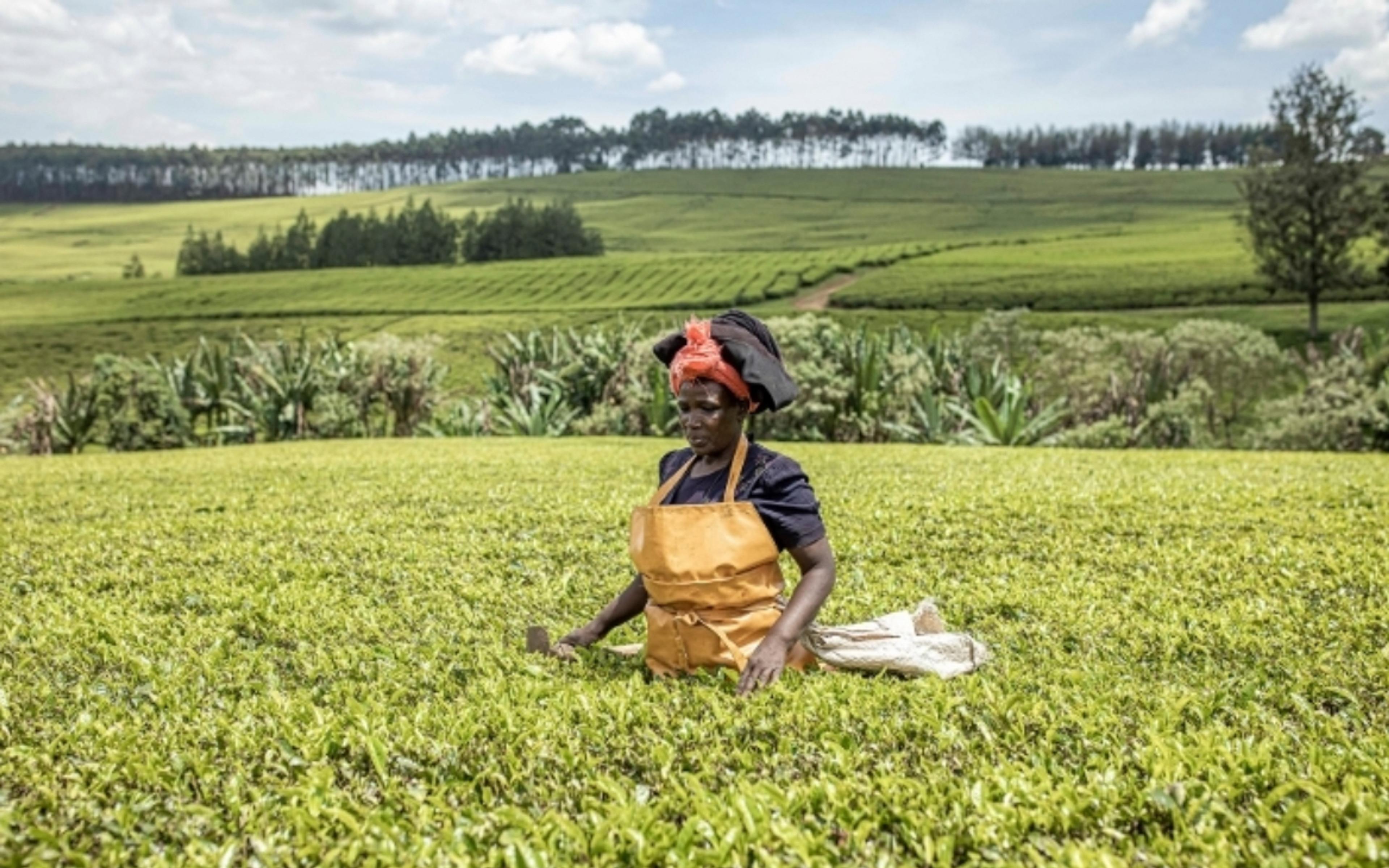
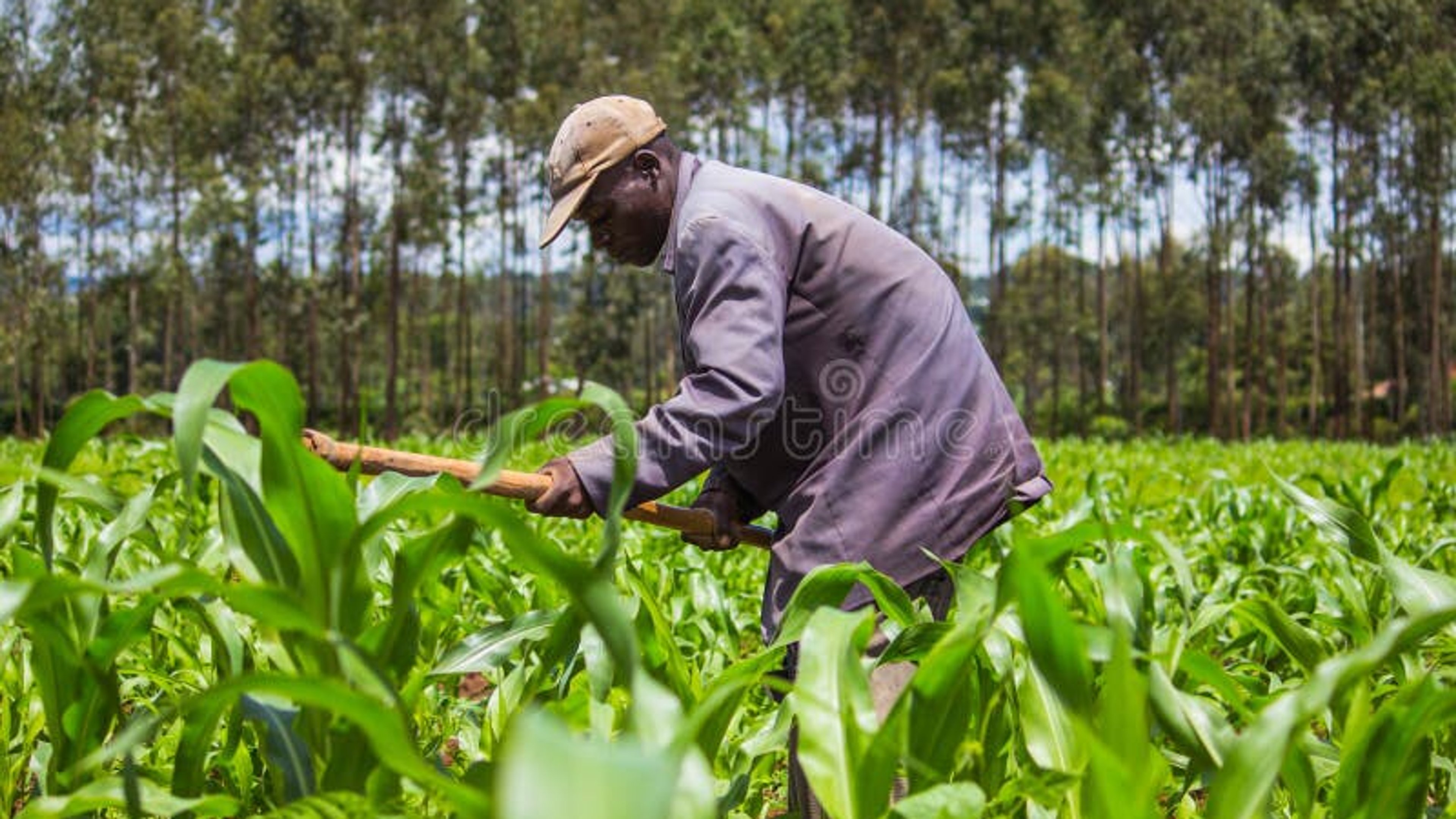
The government has rolled out a Sh6 billion package to subsidise 40 million kilogrammes of certified maize seed, in a move Agriculture Cabinet Secretary Mutahi Kagwe says is designed to cushion farmers battered by a poor harvest in the Rift Valley.
The intervention halves the price of certified maize seed, with a kilogramme now retailing at Sh150, down from Sh300.
A 2kg packet will cost Sh300, down from Sh600; a 10kg bag will retail at Sh1,500, down from Sh3,000; and a 25kg bag will fall to Sh3,750 from Sh7,500. Government will absorb the difference and channel the seed through designated outlets, including the National Cereals and Produce Board.
President William Ruto announced the new pricing during a tour of the Coast region, framing it as part of a broader shift in agricultural policy.
He said his administration was moving from subsidising consumption to subsidising production, by lowering the cost of inputs so that farmers can produce more and strengthen national food security.
The new seed prices take effect next month and will be supplied through the Kenya Seed Company, which produces about 36 million kilogrammes annually against national demand of roughly 40 million kilogrammes, with the shortfall met by private seed producers.
The seed subsidy builds on an existing fertiliser subsidy programme, which has now cost the Exchequer Sh78.79 billion since its introduction in 2022. Kagwe said 33.5 million 50-kilogramme bags of subsidised fertiliser have been distributed, reaching approximately 1.98 million farmers.
A further Sh500 reduction has just been applied, bringing the cost of a 50kg bag down to Sh2,000, from roughly Sh7,500 before the programme began — a cumulative drop of 73 per cent since 2022.
Government data cited in the announcement shows that annual maize production rose from 34.3 million bags in 2022 to 73 million bags in 2025, with output climbing from 3.087 billion kilogrammes to 6.57 billion kilogrammes over the same period — a reported 66.5 per cent reduction in maize imports. Production this year had been projected to reach 77 million bags, but uneven rainfall has left some of the country's major growing zones facing crop failure, threatening that target.
Kagwe framed the new interventions around a simple continuity principle: a farmer who loses a crop to drought should not also lose the means to plant the next one, because the cost of seed and fertiliser puts recovery out of reach.
The human cost behind the statistics is visible in Nakuru County, where brokers have reportedly set up camp in the South Rift to buy up what little maize farmers have managed to salvage from a lower harvest this season. Similar reports of depressed production have emerged from Narok and other South Rift counties.
A Sound Instinct, But the Numbers Deserve Scrutiny: There is a defensible economic logic behind shifting from consumption subsidies (such as maize flour price controls, which Kenya has tried and largely abandoned) toward production subsidies on seed and fertiliser.
Input subsidies, in principle, expand the supply base rather than merely blunting the price signal at the till, and if sustained, they can lower the long-run cost curve for staple food production.
The claimed 66.5 per cent fall in maize imports and near-doubling of national output since 2022 would, if accurate and durable, represent a meaningful improvement in food security and a partial insulation from currency-driven import cost spikes.
But three questions should temper the celebratory framing coming out of Taita-Taveta.
First, fiscal sustainability. Sh78.79 billion in cumulative fertiliser subsidy spend since 2022, now joined by a fresh Sh6 billion seed subsidy, is a significant and recurring claim on an already strained budget, at a time when Kenya is servicing heavy public debt and facing pressure to widen the tax base rather than expand it through unpopular levies.
The government has not disclosed the fertiliser subsidy's cost for the current tranche, which limits independent verification of whether the Sh500 reduction is fiscally sound or a pre-election-cycle sweetener. Subsidy programmes of this scale typically require either a credible exit strategy or a permanent budget line; neither has been articulated publicly.
Second, distributional effectiveness. A subsidised input price is only as good as a farmer's actual access to it. Kenya's fertiliser subsidy programme has previously been dogged by leakages, diversion to neighbouring markets, and NCPB distribution bottlenecks that left genuine smallholders queuing while brokered volumes moved elsewhere.
The same risk attaches to a seed subsidy of this scale — 40 million kilogrammes is a large volume to move through designated outlets without diversion, especially given that private seed producers already supply a meaningful share of the shortfall and have commercial incentives that may not align neatly with subsidised pricing.
Third, and most immediately, input subsidies do not address the drought and rainfall variability that are now driving crop failure in the North Rift, South Rift and parts of Narok and Nakuru — the very counties the story highlights. Cheaper seed does not compensate for a failed rainy season. The Cabinet Secretary's own remarks gesture toward this, citing irrigation and climate-smart investment as necessary complements, but those commitments are far less concrete and far more capital-intensive than a seed price cut.
The presence of brokers capitalising on farmers' distress sales in the South Rift is itself a signal that price relief on inputs is not, on its own, protecting farmer incomes this season — it addresses next season's planting cost, not this season's losses.
Taken together, the subsidy is a reasonable and probably necessary short-term buffer for farmers facing a difficult season, but it should be read as input-cost relief rather than a resolved food security strategy.
The more durable questions — fiscal cost transparency, distribution integrity, and climate resilience investment — remain open, and are the ones worth tracking as the programme rolls out next month.