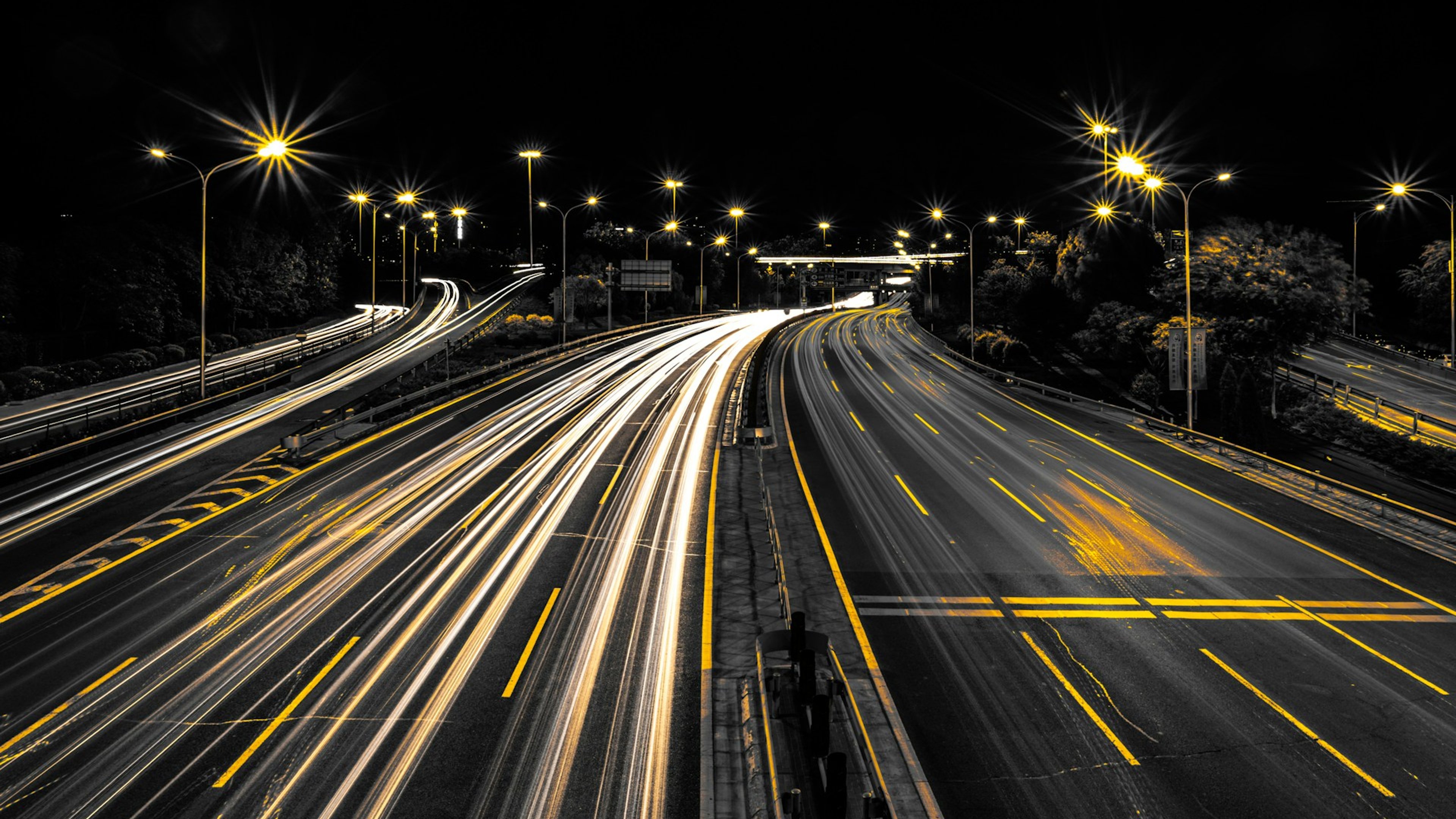
In a bid to keep road projects on track despite tightening public finances, the Kenyan government has secured $600 million (KSh77.8 billion) in short-term financing from commercial banks, leveraging future fuel levy collections as collateral.
The funds will be channeled through the Kenya Roads Board (KRB) to pay contractors undertaking priority infrastructure works across the country.
This development comes amid growing pressure on the Treasury, which has revised down its revenue targets multiple times in 2024/25 due to sluggish tax inflows and heavy debt service obligations.
Fuel Levy
The deal is structured around the Road Maintenance Levy Fund (RMLF), financed by KSh18 per litre levies on petrol and diesel. By securitizing this stream, the government is using non-tax revenues to unlock cash from the financial sector — a move seen as both innovative and necessary under current fiscal constraints.
However, this strategy raises concerns over future liquidity of the RMLF. Should domestic fuel consumption drop or global oil prices spike, the reliability of this revenue stream may be undermined, affecting both repayments and future road maintenance funding.
Bigger Deal
In addition to this short-term package, the government is exploring a larger financing deal of up to $1.5 billion, possibly structured as a private bond issuance or syndicated loan.
This would provide longer-term capital to scale up road and transport infrastructure under the Bottom-Up Economic Transformation Agenda (BETA).
While the infrastructure pipeline remains central to Kenya’s development vision, experts have warned against excessive reliance on commercial debt, particularly amid ongoing IMF-backed fiscal consolidation programs.
Sector Impact
The KSh77.8 billion will directly benefit ongoing works under the Kenya National Highways Authority (KeNHA) and Kenya Urban Roads Authority (KURA), helping to clear arrears to contractors and unblock stalled projects in Nairobi, Mombasa, and rural counties.
Yet critics argue that this form of asset-backed borrowing, while useful in the short term, merely pushes fiscal strain down the road. It also underscores the limited options available to a government facing a public debt load nearing 70% of GDP.
“While it’s a clever way to maintain momentum in road building, securitizing fuel levy revenue limits future flexibility,” said Dr. Evelyn Oduor, a public finance analyst.
“We’re mortgaging essential service revenues, and the risk is that we leave less room for public works when future needs arise.”
The $600 million infrastructure loan reflects Kenya’s increasing use of structured, project-specific borrowing to navigate budget limitations while delivering on high-visibility public works.
But it also signals the need for broader fiscal reforms, especially around domestic revenue mobilization and debt sustainability.