
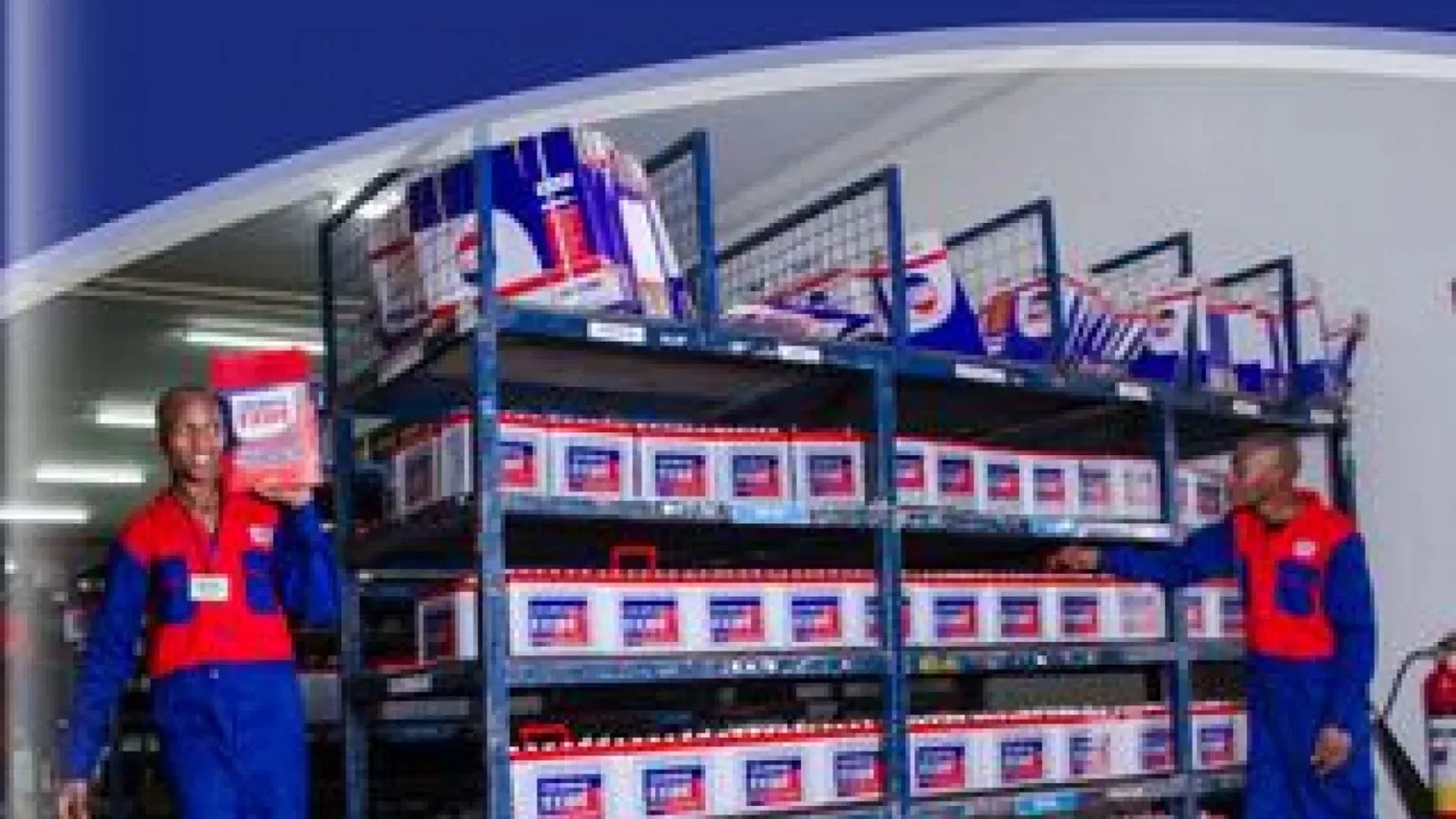
Kenya’s car battery manufacturing sector is staring down a production crisis, and the culprit isn’t a shortage of technology or capital — it’s a shortage of scrap.
Associated Battery Manufacturers (East Africa) Limited (ABM), the region’s largest producer of automotive and solar lead-acid batteries, has issued a stark warning: continued smuggling of used batteries out of the country could force it to halt production altogether.
Group Managing Director Guy Jack says the company’s collection of used batteries — its primary raw material — has dropped by roughly 50 per cent, a decline he calls unsustainable.
“If illegal smuggling of scrap batteries is not urgently stopped, the company will be forced to suspend production,” Jack warned, noting the knock-on effects would hit direct and indirect jobs, local manufacturing, tax revenues and export earnings alike.
A trade that shouldn’t exist — but does: The irony is that this smuggling is happening despite an official government ban on exporting used lead-acid batteries through border points.
Jack is now pressing security agencies, particularly those stationed along Kenya’s borders, to tighten surveillance and ensure smugglers are actually arrested and prosecuted — not simply intercepted and waved through.
That frustration is echoed by the Scrap Metal Council, whose chairman, Francis Mugo, points to a deeper structural problem: poor coordination among the government agencies meant to regulate the sector.
Mugo notes a rise in dealers operating without valid licences — itself a criminal offence — alongside cases of scrap metal being imported and exported without proper permits.
The Taveta border incident: Nothing illustrates the enforcement gap better than a recent episode at the Taveta border.
A multi-agency team intercepted a truck — KDR 153P — loaded with scrap batteries destined for Tanzania.
According to ABM official James Wafula, the vehicle had been tracked from Nairobi, where it collected batteries from several yards before making further pickups along Mombasa Road, and was eventually stopped by Kenya Revenue Authority officials at Kimana along the Emali–Taveta route.
What happened next raises hard questions. The truck was detained at Emali — but was mysteriously released around 2am and allowed to cross into Tanzania.
Wafula says the circumstances of that release remain unclear.
If a tracked truck, flagged by multiple agencies and caught in the act, can still slip across the border in the dead of night, the ban exists largely on paper.
Mugo warns the trade doesn’t just threaten manufacturers — it undermines Kenya’s broader industrialisation agenda by starving local factories of essential raw materials, while enabling vandalism of private property, public infrastructure and critical national installations, since scrap dealers are often linked to theft of metal assets.
The Council is urging dealers to maintain proper documentation, conduct due diligence, and steer clear of vandalism-linked scrap.
For now, the diagnosis is clear even if the cure isn’t: Kenya has the law, the manufacturers, and the raw material.
What it’s missing is the enforcement muscle to keep that raw material — and the industry built on it — inside the country.