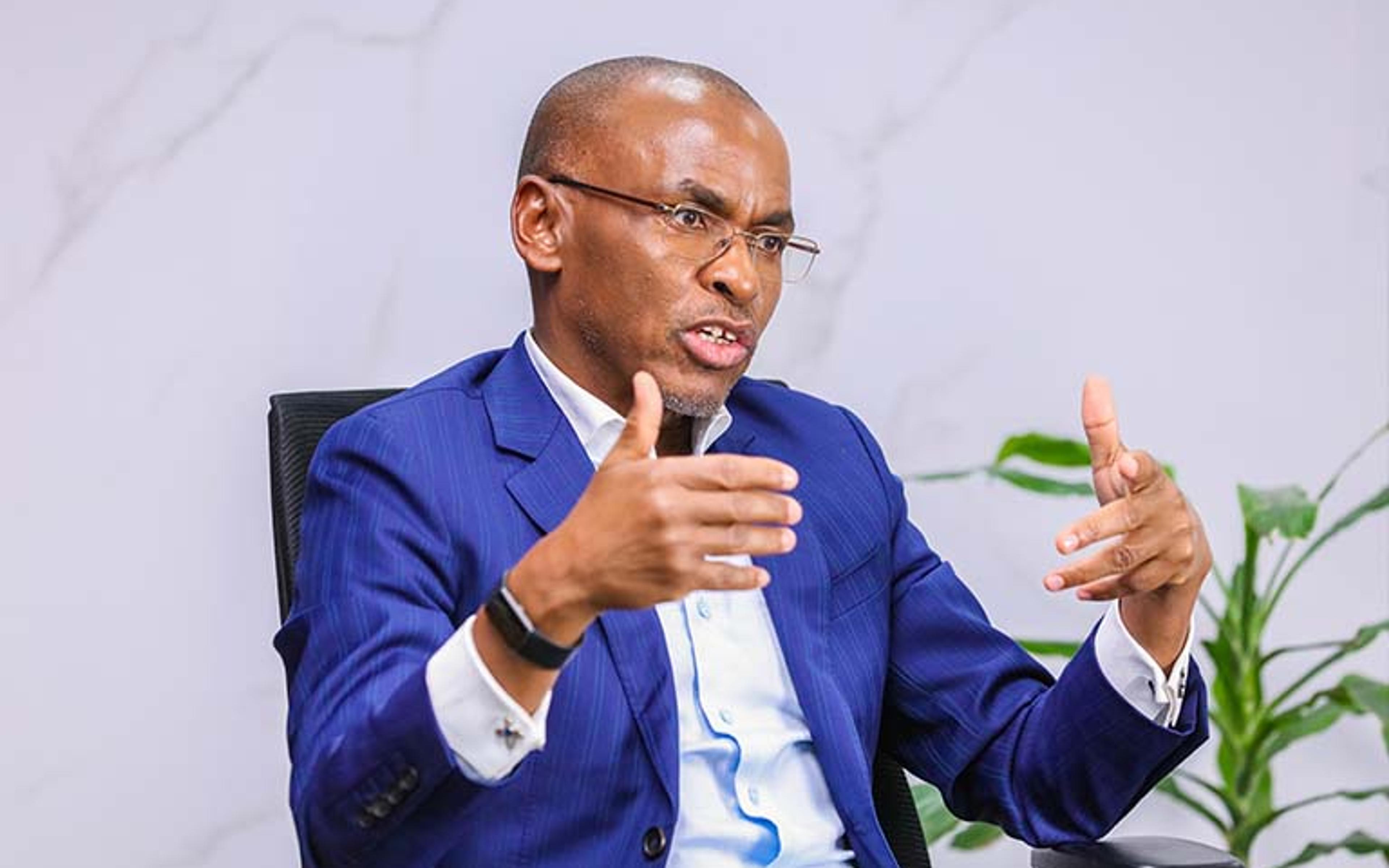

Tourism and Wildlife Cabinet Secretary Rebecca Miano has reappointed Prof. Erastus Mutembei Kanga as Director-General of the Kenya Wildlife Service (KWS) for a further three years, effective August 21, 2026, under the Wildlife Conservation and Management Act.
The move was published in a Gazette notice alongside a raft of other state-agency appointments spanning education, labour, transport, water and agriculture.
Kanga’s tenure at KWS dates back further than his DG title suggests.
He served roughly five years as Secretary for Wildlife at the Ministry of Tourism, Wildlife and Heritage and sixteen years within KWS itself, largely in biodiversity research and monitoring.
He was thrust into the top job in December 2022 in an acting capacity after DG Brig. (Rtd) John Waweru was abruptly sent on compulsory leave, then confirmed substantively on August 2, 2023 following a competitive process.
This reappointment extends a run at the agency’s helm that will now stretch to at least six years.
Why this renewal was not a formality
Unlike routine parastatal reappointments, Kanga’s second term was genuinely contested inside KWS’s own governance structures.
His first substantive term expired this August, and the run-up to renewal was dominated by an accumulating record of institutional controversy rather than a settled consensus for continuity.
The corruption record
In its August 2025 National Ethics and Corruption Survey, the Ethics and Anti-Corruption Commission (EACC) named KWS Kenya’s single most corrupt public institution, finding it accounted for roughly 35.7% of all bribe money exchanged nationally during the survey period — with job seekers reportedly paying upward of Sh200,000, against a national average bribe of under Sh5,000.
The finding was tied to specific cases, including a Sh740 million revenue-collection tender allegedly awarded to a firm that submitted forged documents; EACC has recommended prosecution of senior officials in connection with that tender.
Ivory prosecutions
A two-year court-monitoring study by the Nairobi-based watchdog SEEJ-Africa, covering 774 court sittings and 125 ivory-trafficking prosecutions between 2023 and 2025, found roughly half of cases compromised by broken chain-of-custody, contradictory witness testimony, or evidence irregularities — failures the report ties structurally to KWS’s control of intelligence, arrests, exhibits and prosecution witnesses.
A death in custody: A fisherman who disappeared while in ranger custody remains unaccounted for; the accused rangers reportedly retained their positions throughout criminal proceedings.
Transparency disputes: In April 2026, the Commission on Administrative Justice (the Ombudsman) directed Kanga to release snakebite-fatality data within 21 days or face a prosecution recommendation under the Access to Information Act — one of several access-to-information clashes that have drawn parliamentary and Senate scrutiny of his conduct.
Land and licensing controversy: Conservationists have also flagged the clearing of forest inside Nairobi National Park under a licence that has not been publicly produced, reportedly for a convention-centre car park — a case that has sharpened parliamentary questions about oversight at the agency.
The competing narrative
Kanga’s defenders — including, evidently, the Cabinet Secretary who reappointed him — point to structural problems that predate his leadership: eighteen years of frozen park fees, chronic underfunding, and decades of infrastructure neglect across the protected-area network.
On this reading, KWS’s dysfunction is systemic rather than personal, and continuity offers institutional memory during a fraught period of legislative review of the Wildlife Conservation and Management Act itself.
What to watch
• EACC and parliamentary follow-through: whether the recommended prosecutions tied to the Pesapass tender and other flagged cases proceed now that Kanga has secured a fresh mandate.
• The Wildlife Conservation and Management Act review: whistle-blowers have alleged KWS leadership actively disrupted public participation on reforms to the very law under which Kanga now serves; how this plays out will test the agency’s relationship with civil society and Parliament.
• Ivory prosecution reform: whether chain-of-custody and evidence-handling failures identified by court monitors see any structural correction in Kanga’s second term.
• Donor and conservation-partner confidence: KWS relies heavily on international conservation partnerships and tourism revenue; sustained reputational damage carries direct fiscal consequences for a chronically underfunded agency.
Big perspective
The reappointment gives Kanga policy continuity and institutional memory at a moment of legislative flux, but it arrives without any public accounting of the corruption, prosecutorial failure, and transparency findings that have defined his first term.
For an agency the EACC itself has ranked as Kenya’s most compromised institution, renewal by gazette notice — absent visible reform commitments — is likely to be read by critics less as a vote of confidence than as evidence that accountability at the top of Kenya’s parastatal sector remains largely discretionary.