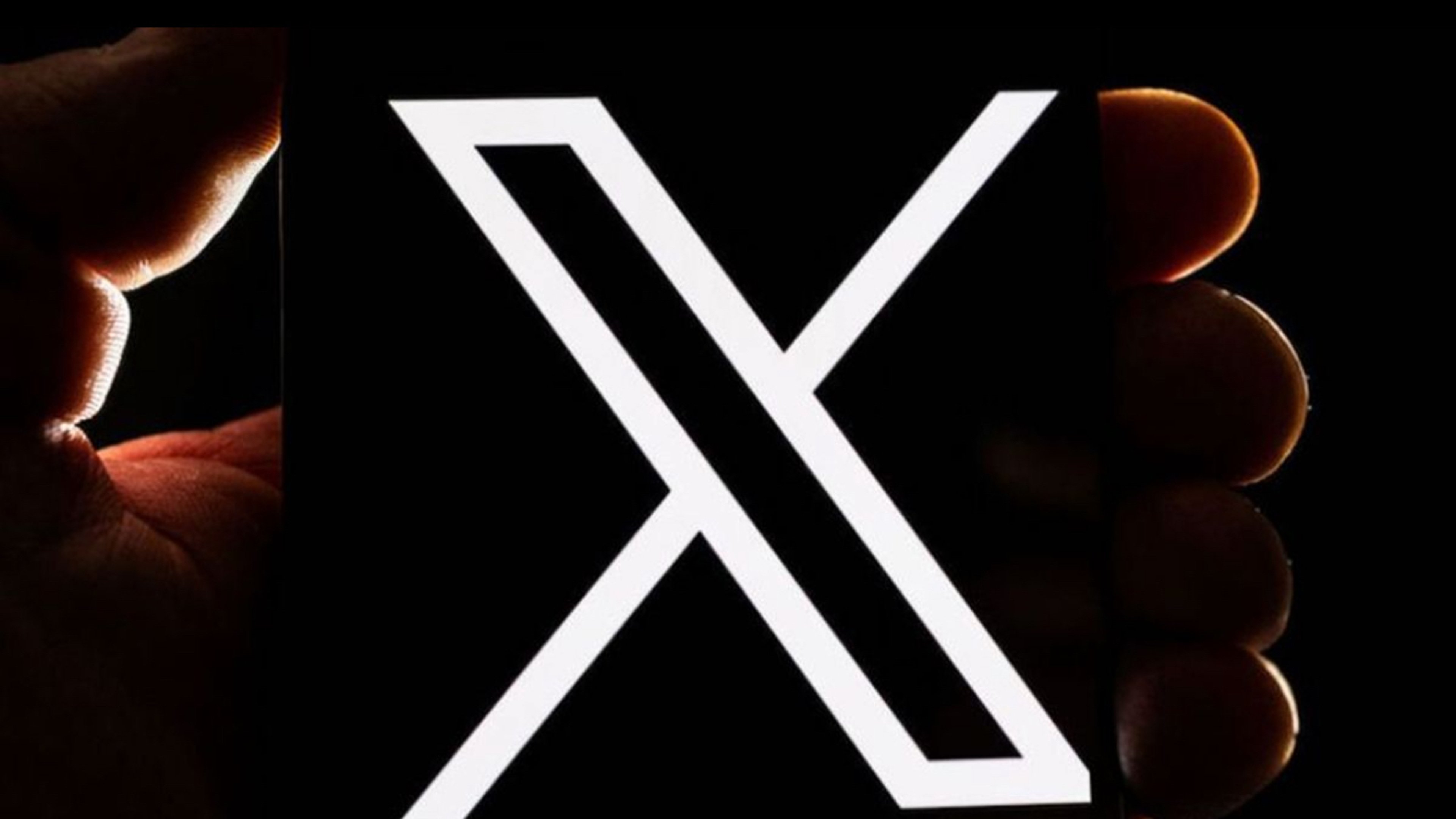
In a bold show of state control over digital speech, the Indian government has ordered X (formerly Twitter) to block over 8,000 accounts, intensifying the tension between global tech firms and increasingly assertive governments.
The directive, which reportedly targets not only ordinary users but also journalists, activists, and international media outlets, raises alarm bells about transparency, press freedom, and the erosion of digital rights in the world’s largest democracy.
X confirmed it is complying with the orders under duress, citing threats of “significant penalties, including jail time” for its employees in India.
This coercive legal environment has forced the platform to carry out what it calls “government-mandated censorship”—despite disagreeing with the actions and lamenting the lack of clarity on what laws were allegedly violated.
The executive orders remain classified, effectively gagging X from publicly challenging the decision or informing users why they were blocked.
This secrecy fuels concern that the crackdown is less about national security or hate speech, and more about silencing dissent, especially as India heads into an election season where control over narratives is paramount.
While X says it is exploring legal options, its hands remain tied.
The broader implication is clear: tech companies in India must choose between upholding free expression and protecting their bottom line—a Faustian bargain that sets a worrying precedent for digital freedom worldwide.
As authoritarian impulses creep into democratic systems, this case becomes a global litmus test. Can social media platforms stand up to governments that weaponize laws to stifle voices, or will they fold to preserve market access?
The battle for the future of free speech is not just in Silicon Valley or Brussels—it’s playing out in real-time, in New Delhi.